Aberystwyth Tourism


Touristy Stuff
- Arts Centre
- Ceredigion Museum
- National Library of Wales Exhibitions and Events
- The University Tropical Glasshouse and Botanic Gardens are free to visit for Students and Campus Visitors (by appointment).
- Commodore Cinema
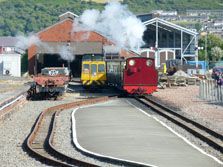
- Vale of Rheidol Railway Narrow gauge railway to Devil's Bridge - a nearby beauty spot
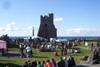
- Castle Ruins
- Marina
- 18 hole Golf course
- Sports Centre & Pool
- Part of the Welsh Coast footpath
- Municipal Tennis Courts & Bowling Green
- Bandstand
- Midfield Caravan park on the Eastern edge of Aberystwyth
- Day trip on the Cambrian Coast Railway. See Transport For Wales for the timetable. (Note: it is possible to break the return part of a journey up allowing a quick visit to one of: Machynlleth, Towyn, Barmouth, Harlech. (You could even manage two stops if you start early enough).
- Local byelaws Prohibit dogs on the town's beaches during the summer months
- The Marine Conservation Societies Good Beach Guide to Aberystwyth North(Main), South and Tanybwlch beaches
- Jump down to my list of Near-by, Wildlife Enthusiast, Marine Enthusiast and Train Enthusiast sections for more touristy information
Shopping
Aberystwyth high street is full of shops that you can see in any high street in Britain - with a few sea-side shops thrown in. A few exceptions are:
- The Mecca - speciality teas, coffees & associated paraphernalia
- Siop y Pethe - Welsh book shop
- Maeth y Meysydd - whole foods and herbs, packaged in the shop
- Old Bakery Cookshop - stylish cookery equipment
- Jump to the Local Commerce section for more shopping links
Early closing is on Wednesday afternoon but only a few locally owned shops close these days.
Many travel agents and banks will exchange currency as will the Post Office (where it's commission free)
Markets
fragmented
markets”
The recent building boom in Aberystwyth have led to the movement of the market into less and less favourable locations which have left the ancient market town with several small fragmented markets. Aberystwyth's loss is Machynlleth's gain whose large thriving market justifies the term 'market town'.

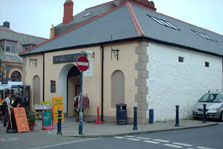
Market Hall:
Open year round Monday-Saturday: about 11-5 but not all the stores are open all the time.
Saturday market:
Weekly on Saturday(!) around the Market Hall a dozen or so stalls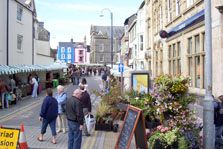
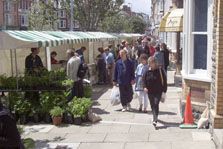
Farmers market:
Two dozen stalls along North Parade selling local farm produce. Every 1st & 3rd Saturday of the month - except the 1st Saturday of January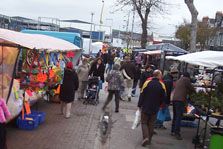

Winter Market:
Market held in mid November along Park Avenue. This market is accompanied by a funfair in the eveningXmas Market:
Farmers Market + Craft Fair. On a Saturday in mid December along Baker St.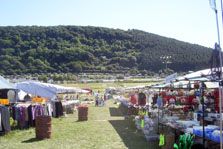
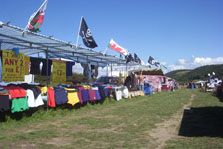
Summer Market:
Large 'summer' market held in Clarach from Easter to the end of July then moving to Tre'r ddol till the end of SeptemberMac' Market:
Large popular weekly on Wednesday's in MachynllethProperty, Accommodation and Hotels
- Belle Vue Royal Hotel (Closed due to fire)
- Harry's Hotel
- The Conrah Country House Hotel
- The Richmond Hotel
- The closest Youth Hostel is 9km North in Borth
- Hotels and Guest houses - from Smooth Hound
- List of Hotels in Aber (Near identical to the above site)
- Lloyd, Herbert & Jones chartered surveyors have a few properties for rent
- Jim Raw-Rees & Co Estate Agents
- Alexanders Estate Agents
- John Francis Estate Agency Network
- Aled Ellis & Company Ltd
- ALP Property Management
- Aberletting letting agents
- If your looking for something out of town then jump down to my list of Near-by Links for more hotels and restaurants
- Quinno's extensive Aberystwyth Pub Guide
Wildlife Enthusiast
-008.jpg)
-001.jpg)
-004.jpg)
-005.jpg)
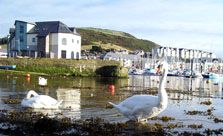
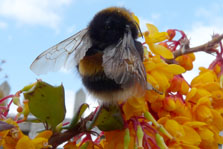
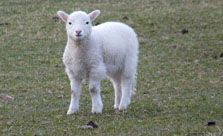
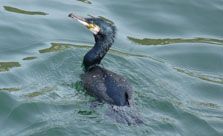
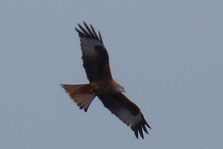
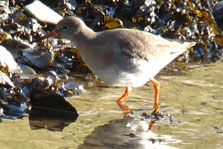
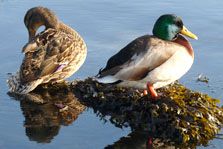
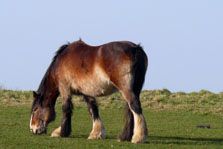
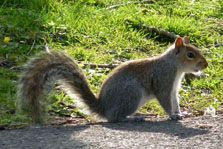
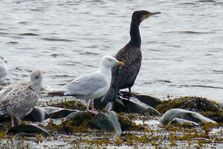
The combination of rural, coastal, mountains, rivers and estuaries provides a rich variety of habitats for wildlife. Buzzards and Red Kites are often seen above the local hills. The tidal Dovey estuary, is home to many birds and a resting and feeding area for many more exotic species in migration. The coastline is home to seals and the bay home to dolphins.
- Set in woodland on the edge of the Dovey estuary Ynys-hir RSPB Nature Reserve has 'hides', viewpoints, a visitors centre and lots and lots of birds including osprays.
- The Butterfly House have a collection of exotic plants and butterflies.
- BirdGuides Ceredigion page includes up to date list of rare bird species seen in this area.
- Ceredigion Birds with daily updates on sightings
- About 20km North East there's an Ospray's nest wired for live video in the breading season
- National Biodiversity Network list of species that have been recorded in this area
- Map of changes to local tree cover from Global Forest Watch
- Aberystwyth's trees on Treezilla
- Cwmtydu-Bay-Wildlife
- Cardigan Bay Marine Wildlife Centre
- Cardigan Bay Special Areas of Conservation
- National (Wales) Nature Reserves:
- 15km North Dyfi (SSSI)
- 11km North Borth Bog & Ynyslas Sand Dunes (part of the Dyfi National Nature Reserve)
- 17km East Coed Rheidol Nature Reserve
- 20km South East Cors Caron National Nature Reserve [Tregaron Bog]
- 15km South Llyn Eiddwen
- Natural Resources Wales:
- 6km East Gogerddan Picnic Site
- 13km South East Wild Woods at Black Covert
- 14km East Nant yr Arian Forest Visitor Centre
- 19km East The Arch Picnic Site
- 20km East Hafod Estate
- Wildlife Trust's Nature Reserves:
- 5km South East Coed Penglanowen (Nanteos)
- 5km South East Old Warren Hill (Nanteos)
- 9km East Pant Da (Rheidol Valley)
- 14km East Coed Simdde Lwyd (Rheidol Valley)
- 10km South Penderi Cliffs (Between Llanrhystud and Monk’s Cave)
- 15km South Llyn Eiddwen (Bronnant)
- 15km South East Cors Ian (Lledrod)
- 14km South East Cwm Clettwr (Tre’r-ddôl)
- Aberystwyth is on the southern tip of the Dyfi Biosphere (UNESCO Reserve)
709.jpg)
-875.jpg)
643.jpg)
898.jpg)
817.jpg)
0659.jpg)
-266.jpg)
-587.jpg)
-838.jpg)
-326.jpg)
Kids Activities
Most of these activities are only suitable for the summer and most would require parental supervision - especially around water and tides.
Need: Transport + Money
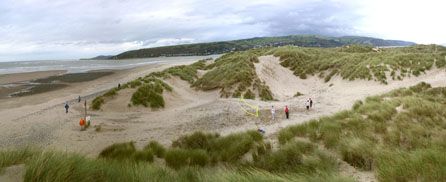
- 11km North: Beach: Ynys-las (Car Park fee though free October-Easter). Nicest beach in the area (in some areas there are dangerous currents)
- 18km North: RSPB Reserve: (Free to Members)
- 32km North: Centre for Alternative Technology
- 11km East: Butterfly House
- 15km East: Silver Mine
- 22km East: Waterfall: Devil's Bridge. Steepest river in Britain
- 4km South East: Paintball, Lasertag, Airsoft, Archery and Target Shooting at Nanteos Mansion
- 7.5km South East: Strawberry Picking: during May-September at Penlanlas Farm (East of Rhydyfelin)
- Pony Trekking
Need: Transport

- 5km North: Clarach/Tre'r ddol Sunday Market
- 28km North: Machynlleth Wednesday Market
- 11km East: Rheidol Hydro Power Station Visitor Centre
- 16km East: Walk around A Lake - Nant yr Arian Forest Visitor Centre
- 24km East: Nant Y Moch Reservoir Drive
Need: Money
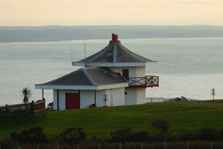
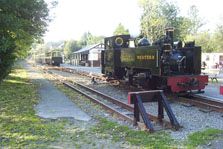
- Leisure Centre
- Municipal Tennis Courts
- Golf - Putting & Crazy
- Boat Ride
- Camera Obscura
- Cliff Railway
- Steam Train
- Cinema (Often there are matinee showings during the summer school vacation)
- Summer Season (Music children's theatre in the Arts Centre)
- Cambrian Coast train to Harlech - Day return
Free
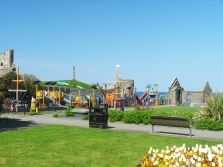
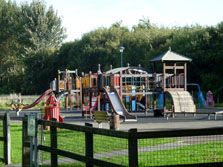
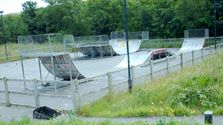
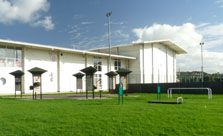
- Beach: Clarach / North Beach /South Beach / Tan-y-Bwlch - Rock Pools (Aberystwyth North & South beaches often have lifeguards during the summer school vacation)
- Swans & Ducks: Harbour
- Dolphin spotting - often in the morning around the mouth of the harbour
- Beachcombing
- Castle Grounds
- Hunting Dragons!
- Cycle Ride
- Plas Crug Leisure Centre Outdoor Gym
- Childrens Play park: Castle / Plas Crug
- Picnic: Beach / Castle
- Walk over Consti'
- Walk up Pendinas
- Walk Cwm Woods / Penglais Nature park
- Treasure Hunt
- Rope Maze (near Municipal Tennis Courts)
- Skate + Cycle Area (Boulervard St Brieuc, just on from the Cop Shop)
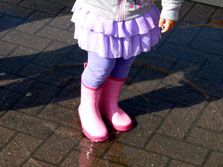
- Wellie walk
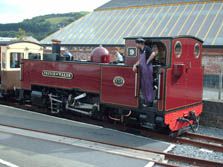
- Watch Steam Train at the Station
- Blackberry Picking (August & September)
- National Library of Wales Exhibitions and Events
- Museum
- Books: Children's section of town library
- Arts Centre galleries
- Outdoor Paddling Pool (Only filled during the summer season)

Prom Flags
Above north beach hang the flags of the following European minority nations. ('Minority nation' is the council's designation not mine.)
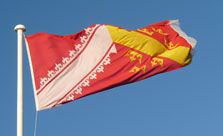
- Alsace
- White diagonal band from the top-left dividing a red background, with three yellow crowns in each red area
Based on the Coat of arms of Alsace - * Aromanian
- Blue lines on a white background. Lines inset from the edges form an inner frame. 8 lines form a diagonal and a vertical cross reaching as far as the inner frame. A circle is outlined in the centre.
- * Asturias
- Yellow Victoria Cross on a blue background.
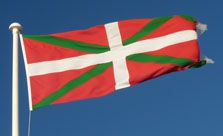
Off the arms of the cross hang the Greek letters Α (upper-case alpha) and ω (lower-case omega), representing 'from the beginning to the end' = the infinite extent of God. - Basque Country
- Ikurriña
Red background with green diagonal cross over which is a white vertical cross.
Red = the Biscayne people,
Green might = Oak of Guernica,
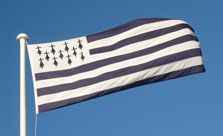
White = Catholic devotion - Brittany
- Four horizontal white stripes on a black background.
The resulting 9 stripes represent the traditional dioceses of Brittany.
Five black stripes = French or Gallo speaking
Four white stripes = Breton speaking
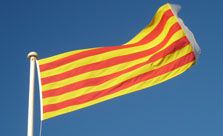
In the left top corner is a rectangular black & white area with a black & white, 11 spot, ermine design based on the arms of the Duchy of Brittany - Catalan Countries
- Senyera
Four horizontal red stripes on a yellow background.
The red stripes possibly representing 4 ancient Counts of Barcelona. - * Cornwall
- White cross on black background
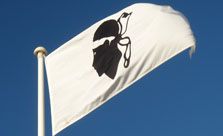
Based on a banner used by Saint Piran - Corsica
- A white background with a Moor's head in black facing the mast & wearing a white bandanna above his eyes.
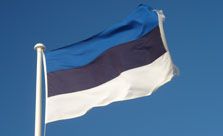
- Estonia
- Equal tricolour horizontal bands:
blue at the top = vaulted blue sky
black in the middle = ground, homeland & worries
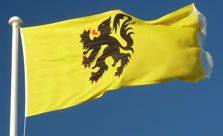
white = virtue - Flanders
- Black lion facing the mast with red tongue on a golden background
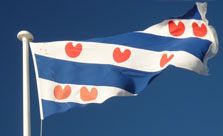
Based on the Coat of arms of Flanders - Friesland
- Three diagonal white stripes on a blue background. There are 3 red water-lily leaves on the long white stripe and 2 on each of the shorter white stripes.
- * Friuli
- Golden eagle facing the mast on a sky blue background. The eagle has outspread wings and red tongue & claws.
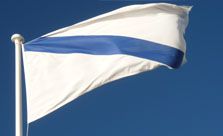
- Galicia
- Blue diagonal band from the top-left dividing a white background
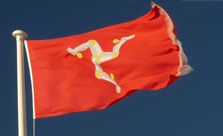
- Isle of Man
- Three legs, bent at the knee, wearing white armour & golden spurs on a red background.
- * Kashubia
- Top half black bottom half yellow
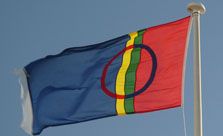
Based on the colours of the Kashubian coat of arms, or possibly on the flag of the Habsburg dynasty. - Lapland
- On the circle:
red = sun
blue = moon
On the background:
red = fire
green = nature
yellow = sun
blue = water
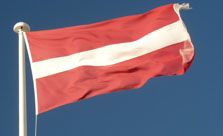
- Latvia
- A horizontal white band on a red background
Represents a blood stained sheet - * Lithuania
- Equal tricolour horizontal bands:
yellow at the top = rising sun
green in the middle = fields & forrsts
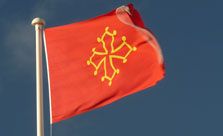
red = blood and bravery - Occitania
- Stylized yellow cross in the centre of a red background
Based on the coat of arms of the counts of Toulouse - * Romani
- Top half blue = heavens
Bottom half green = earth
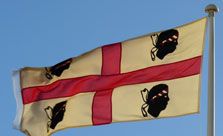
16-spoke red cartwheel in the centre = freedom - Sardinia
- Four Moors
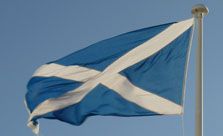
White background with red vertical cross. Facing away from the mast in each quarter is a bandaged Moor's head in black - Scotland
- Diagonal white cross on blue background
- * Sorbia
- Equal tricolour horizontal bands in Pan-Slavic colours; blue, red & white.
Colour order chosen to differentiate it from other Slavic flags.
blue at the top = sky
red in the middle = sunrise & love
white = innocence - * South Tyrol
- Val d'Aosta
- Mast half black, the half away from the mast is red.
Earlier versions also have a silver lion in the centre.
Based on the coat of arms of the Duchy of Aosta - Wales
- Background is white on top & green on the bottom. These colours coming from the Tudor dynasty.
In the centre is a red dragon facing the mast. Red dragons were used by many early Welsh rulers. - Wallonia
- Red rooster facing the mast on a yellow background.
The colours are associated with the of city of Liège. The rooster associated with France.
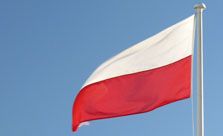
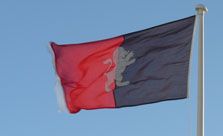
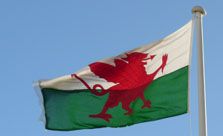
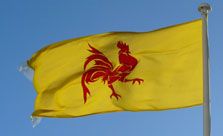
South of the Pier are flags of other EU countries and flags of countries
from where many visitors come to Ceredigion.
By the end of the summer, what's left of these raggedy, wind ravaged,
flags is taken down leaving the poles empty till replacements are installed the following spring.
Train Enthusiast
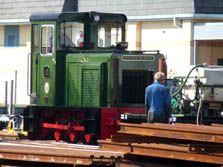
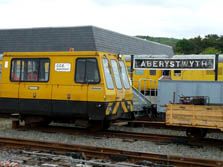
- Cliff Railway
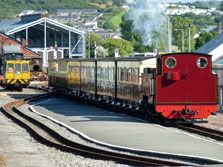
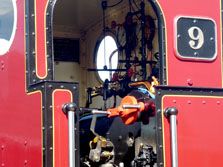
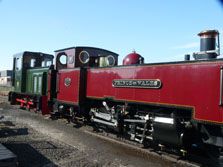
- Vale of Rheidol railway
- Vale of Rheidol Railway Gallery
- Borth Station Museum
- Signal Boxes 'Shrewsbury - Aberystwyth'
- The Cambrian Line
- Shrewsbury to Aberystwyth Rail Passenger Association
- West Coast Railways sometimes run charter steam trains along the Cambrian coast line in the summer
- The Cambrian Route - A Seaside Journey (2003) is an add on route for route for Microsoft Train Simulator/Open Rails comes to Aberystwyth station
- Rail Transport


Near-by
As anyone who's been here for a while will tell you, one of the best things about Aber' is its doorstep! And right on the doorstep of Aberystwyth are the following:
- 32km North Centre for Alternative Technology
- 28km North MOMA a museum of modern art in Machynlleth
- 18km North Ynys-hir RSPB Nature Reserve
- 17km North Ynys-hir Hall Serious Nosh! & Hotel
- 15km North Guide to the Parish of Llangynfelyn (around Tre-Taliesin and Tre'rddôl) with lots of local genealogical information
- 9km North Borth Youth Hostel
- 8km North Guide to the village of Borth
- 7km NorthEast Trefeurig a rural community of 9 small villages.
- 11km East Butterfly House
- 11km East Rheidol Hydro Power Station Visitor Centre
- 15km East Llywernog Silver-lead Mine Museum
- 15km East Plynlimon
- 16km East Nant yr Arian Forest Visitor Centre
- 22km East Hafod Arms Hotel by Devil's Bridge
- 23km East Woodlands Caravan Park by Devil's Bridge
- 24km East The Hafod Estate just on from Devil's Bridge
- 4km SouthEast Nanteos Mansion Country Hotel and Restaurant.
- 27km SouthEast Strata Florida Abby Ruins
- 18km South Guide to the village of Pennant including lots of history